WyndhamGrand×VisionAgency
We split an international hotel brand's restaurant and spa outlets into separate campaigns; radius-based location targeting brought 1,040 booking enquiries at €1.69 per lead. Creative production moved to a weekly flow.
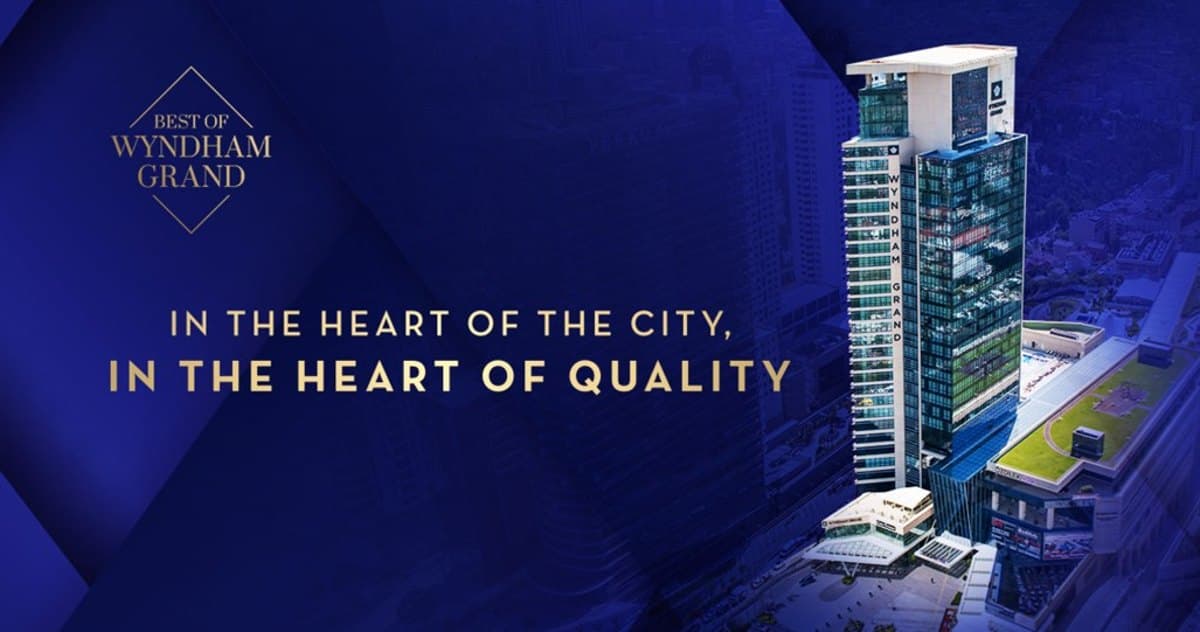
About the brand
The Türkiye property of Wyndham Grand sells rooms, but its restaurant, meeting and spa outlets also host guests from outside the hotel. Demand for those outlets came mostly by phone with no steady digital flow, and the ad budget was reserved for room sales alone.
The account held a single campaign targeting the whole of Türkiye. Showing a restaurant ad to a user 400 kilometres away consumed a significant part of the budget, and it was impossible to separate which outlet generated which enquiry. Reporting ran on one combined figure.
Why they chose us
The hotel wanted the outlets beyond rooms to generate their own demand. It asked Vision Agency to tie each outlet to its own campaign, target users in the immediate area and set up a weekly creative flow, so every outlet's cost could be read on its own.
- The restaurant and spa would be measured in their own campaigns.
- Targeting would be limited to the hotel's city and immediate area.
- Booking enquiries would reach the hotel directly and in trackable form.
The challenges we faced
The difficulty was not the budget but untangling outlets that shared one campaign and targeting that missed its mark. Four points were blocking the work.
Outlets Shared One Campaign
Restaurant, spa and meeting enquiries were collected in the same campaign. Because Meta moved budget towards the cheapest result, the spa received almost no impressions and the whole spend accumulated on the restaurant side.
Targeting Was Far Too Broad
The campaign ran nationwide. Although travel distance is decisive for a restaurant and a spa, no location radius was in use, so most impressions went to users who could not realistically visit.
Bookings Could Not Be Tracked
Enquiries arrived by phone and nobody recorded which ad had produced them. The campaign report showed clicks only; there was no answer to which outlet's advertising was working, and budget decisions were taken without data.
Creative Production Was Slow
Visuals were produced one at a time, as needed. Weekly menu and programme changes reached the ads several weeks late, so the campaign often described a past offer and click-through rate fell.
4-phase structure
We took the structure down to outlet level: first campaign separation and location targeting, then a weekly creative flow, a trackable booking form, and finally monthly outlet reporting tied to the occupancy calendar.
One Campaign per Outlet
We built three separate campaigns for the restaurant, the spa and meetings. Each received its own budget and its own objective; targeting was limited to the hotel's city and a 25-kilometre radius around it.
A Weekly Creative Flow
Every week we produced a new visual set from the menu and programme information sent by the hotel. Food shots for the restaurant and space and treatment shots for the spa were tested separately.
Trackable Bookings
Enquiries were routed to a form and a WhatsApp line, and every campaign was tagged with its own link. Bookings could then be counted per outlet, and budget moved monthly to the most efficient one.
Monthly Reporting and the Occupancy Calendar
Each month we produced a report per outlet, so restaurant, spa and meetings were read separately, each with its own demand, cost and winning visuals. We tied the hotel's occupancy calendar to the campaign plan: budget was raised ahead of the quiet periods and advertising pressure was eased when the hotel was already full.
What we achieved together
The period produced 3.9 million impressions and 42,900 clicks, with click-through rate holding at 1.1%. Spend of €1,033 brought 1,040 booking enquiries at a cost per lead of €1.69. Most of the enquiries came from the restaurant and spa outlets.
Total Leads
613
3 outlets combined
Impressions
2.3M
Cost per Click
€0.041
Total Clicks
25,290
Click-through Rate
%1,1
Cost per Lead
€1.69
measured per outlet
Split by Outlet
- The restaurant campaign produced roughly half of the total enquiries.
- The spa campaign started receiving steady demand on its own budget.
- The meeting campaign brought fewer but higher-value enquiries.
- Total ad spend stayed at the €1,033 level.
What We Learned
- A location radius lowers cost directly for hotel outlets.
- Without a campaign each, budget drifts to a single outlet.
- A weekly creative flow carries the current offer into the ads.
- Outlet performance cannot be measured without tagged links.
Advertising in a hotel is not only about selling rooms; run as separate campaigns, the restaurant and the spa generate their own demand.